Top rated commercial cleaning for Thornton Heath businesses
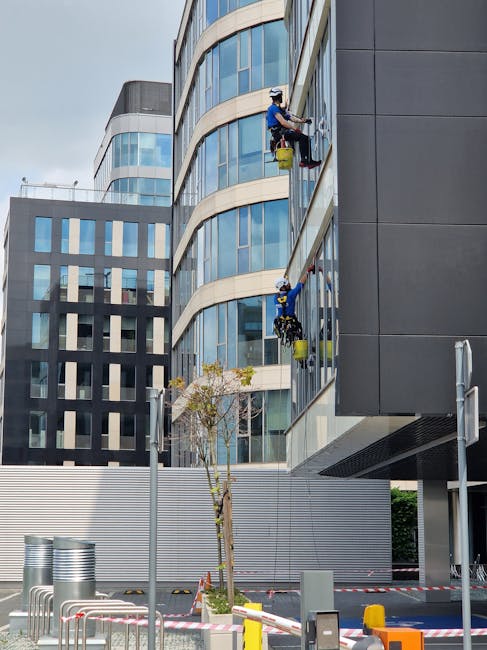
If you run a shop, office, clinic, salon, rental property, or shared workspace in Thornton Heath, you already know a clean building is not a nice extra. It shapes first impressions, supports staff morale, and stops small messes becoming awkward problems. Top rated commercial cleaning for Thornton Heath businesses is really about more than a mop and a vacuum; it is about keeping your place presentable, safe, and quietly professional day after day.
Truth be told, most business owners do not have time to think about skirting boards, high-touch points, or the carpet that starts looking tired before anyone says anything. This guide breaks down what quality commercial cleaning actually looks like, how it works, what to ask for, and how to avoid paying for a service that sounds good but misses the mark. A lot of the value is in the small stuff. You notice it the moment you walk in.
- Table of contents
- Why commercial cleaning matters in Thornton Heath
- How the service works
- Key benefits and practical advantages
- Who needs it and when it makes sense
- Step-by-step guidance
- Expert tips for better results
- Common mistakes to avoid
- Tools, resources and recommendations
- Law, compliance, standards and best practice
- Options, methods and comparison table
- Case study or real-world example
- Practical checklist
- Conclusion
- Frequently asked questions
Why Top rated commercial cleaning for Thornton Heath businesses Matters
In a busy local area like Thornton Heath, businesses compete on trust as much as price. People notice clean floors, fresh-smelling reception areas, tidy washrooms, and spotless carpets. They also notice the opposite. A dusty counter or a stained office chair can make a place feel neglected, even if the service itself is excellent.
Commercial cleaning matters because it protects your business in three ways. First, it improves presentation for customers, clients, and visitors. Second, it supports hygiene in areas that get handled constantly, such as doors, switches, desks, and kitchen spaces. Third, it helps maintain the building itself. Dirt that sits too long in carpets or upholstery becomes harder to remove and can wear materials down faster.
There is also a local reality here. Thornton Heath businesses often work in compact spaces, older premises, mixed-use buildings, or busy high-street settings where foot traffic brings in grit, damp, and general grime. On a wet Tuesday morning, that slush and road dirt does not politely wait outside. It comes in with everyone else.
If your business depends on footfall, repeated client visits, or staff working long hours indoors, quality cleaning is not cosmetic. It is part of how your space functions.
Expert summary: The best commercial cleaning service is not the one that promises the most. It is the one that understands your premises, your traffic levels, and the specific surfaces that take the most punishment.
How Top rated commercial cleaning for Thornton Heath businesses Works
Good commercial cleaning usually starts with a practical assessment. The cleaner looks at the type of business, the flooring, the upholstery, the access points, the busiest rooms, and the level of soil build-up. A small office with five staff needs a different approach from a customer-facing reception or a retail unit with constant entry and exit.
From there, the cleaning plan is built around frequency and priority. Some spaces need daily maintenance cleaning. Others only need periodic deep cleaning, carpet cleaning, or targeted stain removal. Many businesses combine routine upkeep with occasional specialist work, such as commercial carpet care or upholstery cleaning, especially where chairs, sofas, or waiting-room seating get heavy use.
What happens on site can vary, but a professional service usually follows a clear sequence:
- Walkthrough and inspection of the space.
- Identification of priority areas, stains, and delicate surfaces.
- Selection of suitable methods and products.
- Cleaning carried out with attention to access, drying time, and disruption.
- Final check and any follow-up advice for the client.
That may sound straightforward, and mostly it is. The difference lies in judgement. For example, a stain near a reception desk might need targeted treatment before any broader floor cleaning happens. A waiting area with fabric chairs may need different handling from a hard-surface meeting room. The right team notices that before the client has to point it out.
For carpeted business areas, steam-based methods are often chosen where appropriate because they can support deeper extraction and leave carpets feeling refreshed. If you want to understand that side better, the dedicated steam carpet cleaning page is a useful related read.
Key Benefits and Practical Advantages
There is no shortage of reasons businesses keep coming back to professional cleaning. Some are obvious. Others only become obvious after a few months of steady use.
A cleaner first impression
Clients, patients, or customers form opinions quickly. A neat entrance, clean floors, and fresh seating tell people that your business pays attention to detail. That matters in Thornton Heath just as much as anywhere else. Maybe more, because local businesses often rely on repeat custom and reputation spreading by word of mouth.
Better everyday hygiene
Routine cleaning helps reduce the build-up of dust, spill residue, and general grime on high-touch surfaces. In practical terms, that means desks feel cleaner, kitchens stay more usable, and washrooms do not slide into that tired, sticky stage that nobody wants to deal with.
Longer life for carpets and furnishings
Commercial carpets, rugs, sofas, and chairs take a pounding. Dirt acts a bit like fine sandpaper. Left alone, it can dull fibres and wear fabric down. Regular care through services such as carpet cleaning, rug cleaning, and sofa cleaning helps protect that investment.
Less disruption than doing it badly in-house
Most businesses try to keep on top of cleaning themselves at some point. Fair enough. But once you add staff time, inconsistent standards, and the occasional "we'll do it later" moment, it becomes expensive in a different way. Professional cleaning creates a more reliable routine, and that predictability is useful.
More confidence in shared spaces
If your business has clients waiting, staff sharing facilities, or visitors coming through regularly, cleanliness shapes how comfortable people feel. A good service helps you maintain that confidence without having to micromanage every corner.
Who This Is For and When It Makes Sense
Commercial cleaning is not just for large offices. In fact, some of the best results come in smaller businesses where the space is compact and the impression is immediate. If one carpet stain sits at the entrance all week, everyone sees it. No hiding place, really.
This service makes sense for:
- Offices with regular staff and client visits
- Retail premises and shopfronts
- Medical, therapy, or wellness spaces that need a consistently tidy environment
- Salons, barbers, and beauty businesses with hair, product residue, or moisture issues
- Hospitality venues and customer waiting areas
- Letting agents, landlords, and managed properties
- Shared workspaces and small business units
It is also worth considering after refurbishments, seasonal changes, staff turnover, or a period of intense foot traffic. Sometimes the trigger is less dramatic: a space simply starts looking flat, even if nobody can quite say why. That's usually carpets, upholstery, and corners quietly doing their thing.
If the issue is not the whole building but specific problem areas, targeted services can help. For example, stain removal is useful when a few stubborn marks are dragging down the appearance of a room, while pet stain and odour removal may be more relevant for some offices, rental spaces, or customer-facing properties.
Step-by-Step Guidance
If you are comparing providers or planning your first professional clean, the process is easier when you break it down. Here is a sensible way to approach it.
- List the spaces that matter most. Reception, meeting rooms, toilets, kitchens, corridors, waiting areas, and any carpeted or upholstered areas should be noted first.
- Decide what is routine and what is occasional. Daily wipe-downs are different from monthly deep cleaning. Try not to muddle the two.
- Identify problem materials. Carpets, curtains, fabric chairs, and rugs need different care from hard floors or laminated surfaces.
- Ask how the cleaner handles access and timing. Can work be done before opening, after closing, or in sections so your team can still function?
- Request clarity on products and methods. A decent provider should be able to explain what they use, why they use it, and whether drying time or ventilation matters.
- Check what is included. Does the quote cover stain treatment, upholstery, deep carpet work, or just the basics?
- Agree on expectations. It is better to say, "We need the meeting room chairs looking smart again," than to assume everyone means the same thing.
- Review results and adjust frequency. If a space gets dirty quickly, the plan may need changing. That is normal.
To be fair, a lot of cleaning problems come from vague instructions. "Just make it look better" is not a plan. Be specific. You will save yourself time later.
Expert Tips for Better Results
Over time, the businesses that get the most value from cleaning are the ones that treat it as part of operations, not a rescue mission.
1. Clean the highest-touch points more often
Door handles, reception counters, switch plates, shared desks, and tap areas pick up grime fast. Even between deeper cleans, these spots should stay on the radar.
2. Deal with spills early
Fresh marks are easier to treat than set-in stains. Whether it is coffee, ink, mud, or food, early action often makes the difference between a quick fix and a permanent reminder.
3. Rotate attention around the room
Some places always get cleaned first and others get forgotten. Corners, under furniture, chair backs, and lower wall areas can quietly collect dust. A rotating approach helps prevent blind spots.
4. Match the cleaning method to the surface
Fabric, leather, hard flooring, and carpet all behave differently. Using the wrong method can leave water marks, residue, or over-wetting. That is one of those small mistakes that turns into a big annoyance.
5. Keep a small record of issues
It does not need to be a formal system. Even a simple list of recurring stains, worn areas, or problem rooms helps the cleaner work more efficiently.
And one slightly boring but very useful tip: ask for honesty. If a stain is unlikely to disappear completely, it is better to know early. Good providers will tell you that without dressing it up. That sort of candour is worth a lot.
Common Mistakes to Avoid
Even well-run businesses trip over the same issues. None of these are dramatic, but they do affect results.
- Choosing on price alone. The cheapest quote is not always the best value if the clean is rushed or incomplete.
- Not defining the scope. If you do not say which rooms or surfaces matter most, the cleaner has to guess. Guessing is not strategy.
- Ignoring drying time. Carpets and upholstery may need time to dry properly. If you schedule a busy client day straight after, you may create extra hassle.
- Using the wrong cleaner for delicate materials. Some fabrics, trims, or floor finishes need careful handling.
- Skipping regular maintenance. Waiting until the place looks bad usually costs more than steady upkeep.
- Forgetting access details. If the building has alarms, restricted hours, narrow entrances, or loading issues, mention them in advance.
There is also a subtle one: expecting every surface to look brand new after one visit. Sometimes it happens. Often it improves dramatically but not perfectly, especially where wear is years in the making. That is normal, and any trustworthy provider should say so.
Tools, Resources and Recommendations
You do not need to become a cleaning expert yourself, but it helps to understand the main categories of service so you can ask better questions.
| Need | Useful service type | Best for |
|---|---|---|
| Everyday soil in carpets | Carpet cleaning or steam carpet cleaning | Offices, reception areas, corridors |
| Fabric seating or waiting-room furniture | Upholstery cleaning | Chairs, sofas, benches, lounges |
| Decorative floor coverings | Rug cleaning | Feature rugs in offices or client rooms |
| Spots and accidental spills | Stain removal | High-traffic areas, meeting rooms, entrances |
| Smells from pets or organic residue | Pet stain odour removal | Property management or mixed-use spaces |
| Heavy-use soft furnishings | Sofa cleaning | Reception lounges and staff rest areas |
Other helpful pages on the site include pricing and quotes if you are comparing budgets, and about us if you want a better sense of the team behind the service. For practical trust details, the pages on health and safety and insurance and safety are also worth reviewing.
If you care about lower-waste operations, the recycling and sustainability page may be useful too. It is a small thing, maybe, but many businesses like knowing their suppliers are thinking about it properly.
Law, Compliance, Standards and Best Practice
Commercial cleaning sits within a wider business responsibility to keep premises reasonably safe, clean, and suitable for staff and visitors. Exact duties vary by premises type, but good practice usually includes sensible use of cleaning products, clear handling of equipment, and attention to slip risks, ventilation, and access.
If your workplace has staff, shared facilities, or members of the public coming in and out, it is sensible to keep cleaning methods consistent and documented. That is especially true where wet floors, cables, cords, or moving furniture create temporary hazards. A professional service should work in a way that supports your own internal procedures rather than creating new problems.
For many Thornton Heath businesses, the practical standard is simple: can people walk in, work comfortably, and feel confident that the environment is looked after? If yes, you are in a good place. If not, the cleaning schedule probably needs tightening.
You should also be comfortable asking how products are used, what the drying times are, and whether any areas need to stay out of bounds. That is not being fussy. That is basic operational sense.
Options, Methods and Comparison Table
Different business spaces need different approaches. Here is a simple comparison to help you think it through without overcomplicating it.
| Method | Best use | Strengths | Things to watch |
|---|---|---|---|
| Routine maintenance cleaning | Daily or weekly upkeep | Keeps spaces presentable and manageable | Won't solve deep-set stains alone |
| Deep commercial cleaning | Occasional refresh | Helps tackle built-up dirt in neglected areas | May need more downtime |
| Commercial carpet cleaning | Floorings with frequent foot traffic | Improves appearance and fibre condition | Drying time matters |
| Upholstery and sofa cleaning | Waiting rooms and staff areas | Refreshes fabric seating | Different fabrics need different care |
| Targeted stain treatment | Specific marks or spill damage | Focused, efficient, often cost-effective | Older stains may be harder to fully remove |
If you are unsure which mix is right, start with the areas your customers see first. Then move inward. That is usually the smartest order, and it keeps you from spending money on parts of the building nobody notices while the entrance still looks tired. Happens more than you might think.
Case Study or Real-World Example
Picture a small Thornton Heath office with a reception area, two meeting rooms, carpeted corridors, and a staff kitchen. Nothing flashy. Just a working space that starts to look a bit worn after a wet winter and a few months of constant use.
The main issue is not one disaster. It is the accumulation of little things: grit at the entrance, tea marks on a chair arm, dull patches in the carpet where people turn every day, and a faint stuffy smell in the seating area by late afternoon. Nobody complains outright, but the space feels less sharp than it should.
A sensible cleaning plan would start with the high-traffic carpet areas, then move to upholstered seating and the reception zone. Stain treatment would be applied where needed, and the staff kitchen would receive a proper hygienic clean rather than a quick wipe. Once the visible areas are restored, the business can maintain standards with a lighter routine.
The real win here is not drama. It is consistency. A place that feels looked after changes how people use it. Staff settle in better. Visitors relax quicker. The building simply works better. Simple as that.
Practical Checklist
Before you book commercial cleaning, run through this list.
- Have you identified your most important customer-facing areas?
- Do you know which surfaces need specialist care?
- Have you decided what should happen daily, weekly, and monthly?
- Have you asked about drying times and business disruption?
- Do you know whether stain treatment is included?
- Have you checked trust pages such as terms and conditions and the relevant policy pages?
- Have you made access details clear, including hours and entry points?
- Have you agreed what success looks like after the clean?
- Do you know who to contact if something needs follow-up?
- Have you thought about periodic deep cleaning, not just one-off surface work?
If you can answer yes to most of those, you are in a strong position. If not, no problem. Better to sort it before the first visit than after.
Conclusion
Choosing Top rated commercial cleaning for Thornton Heath businesses is really about finding a service that understands how real workplaces operate. You want reliability, good judgement, and results you can see straight away without having to explain everything twice.
The best commercial cleaning support does not just make a room look decent for an hour. It helps protect carpets, seating, and surfaces; it supports staff comfort; and it keeps your business looking as if someone is paying attention. Because someone should be.
If you take one thing from this guide, let it be this: be clear about your priorities, ask sensible questions, and choose a provider that is practical rather than flashy. That approach usually pays off.
Get a free quote today and see how much you can save.
And if you are still weighing up the right level of service, that is fine too. A clean business is not built in one day, but it does get easier once the right routine is in place.
Frequently Asked Questions
What does commercial cleaning include for Thornton Heath businesses?
It usually includes routine cleaning of work areas, floors, kitchens, washrooms, touchpoints, and any agreed specialist tasks such as carpet or upholstery care. The exact scope depends on the premises and your priorities.
How often should a business book commercial cleaning?
That depends on foot traffic, the type of business, and how customer-facing the premises are. Some spaces need daily upkeep, while others do well with weekly cleaning plus occasional deep cleaning.
Is commercial carpet cleaning worth it for small offices?
Yes, often it is. Small offices can show wear very quickly because every mark is more visible. Regular carpet care helps keep the space looking professional and can make a surprising difference.
What is the difference between regular cleaning and deep cleaning?
Regular cleaning keeps the space tidy and sanitary on an ongoing basis. Deep cleaning goes further, targeting built-up dirt, embedded grime, and areas that do not get enough attention in day-to-day routines.
Can commercial cleaning help with stains on office furniture?
Yes, in many cases. Services such as upholstery cleaning and stain removal are designed for that. Results depend on the fabric, the age of the stain, and whether it has already been treated incorrectly.
How do I know if I need steam cleaning or a different method?
If carpets are heavily used or look dull despite normal cleaning, steam carpet cleaning may be suitable. But the right method depends on the material and how much drying time you can allow.
Do businesses need to prepare the office before a cleaner arrives?
A little preparation helps. Clear personal items, secure sensitive documents, and let the provider know about access issues, alarms, or fragile surfaces. It keeps everything smoother on the day.
What should I ask before booking a cleaning service?
Ask what is included, which methods are used, whether specialist treatment is available, how long drying takes, and what support exists if something needs follow-up. Simple questions, but very useful ones.
Are cleaning products safe for staff and visitors?
They should be used safely and appropriately for the surface and setting. A responsible provider will be able to explain product use, ventilation needs, and any precautions that matter for your premises.
How can I keep my business looking clean between visits?
Focus on high-touch areas, deal with spills early, use entrance mats where suitable, and keep an eye on the spaces people see first. Small habits make a big difference over time.
What if I only need help with one problem area?
That is fine. You do not need a full-site clean every time. Targeted services such as stain removal, rug cleaning, or sofa cleaning can be a better fit for a single issue.
How do I compare commercial cleaning quotes fairly?
Compare scope, frequency, methods, drying time, and what is excluded. A quote that looks lower may actually cover less, so make sure you are comparing like with like.
Can I get information about policies and trust before booking?
Yes. It is sensible to review pages like complaints procedure, payment and security, and privacy policy before making a decision.
Why choose a local Thornton Heath-based cleaning service?
A local team usually understands local business rhythms, access challenges, and the realities of busy London premises. It can make scheduling easier and communication more straightforward, which is worth a lot when you are managing a business day.